Understanding Window Lock Diagnosis: A Comprehensive Guide
Windows are an important component of any home, offering ventilation, natural light, and a barrier versus the aspects. However, gradually, window locks can malfunction, causing security issues and hassle. This post explores the world of window lock medical diagnosis, providing insights into common problems, troubleshooting steps, and preventive measures.
Introduction to Window Locks
Window locks are mechanisms developed to secure windows in a closed position, making sure that they can not be opened from the outside. They are available in various types, consisting of:
- Lever Locks: Common in casement windows, these locks use a lever to engage the locking system.
- Camera Locks: Found in double-hung and single-hung windows, these locks use a turning webcam to secure the window.
- Multi-Point Locks: These supply improved security by locking the window at multiple points.
- Moving Window Locks: Used in sliding windows, these locks avoid the window from being opened by moving.
Common Issues with Window Locks
Window locks can experience a range of issues, from minor inconveniences to considerable security dangers. A few of the most typical problems include:
- Sticking or Jamming: The lock may become tough to run, making it difficult to open or close the window.
- Broken Components: Parts of the lock, such as the deal with or mechanism, can break or break in time.
- Misalignment: If the window frame or sash is not appropriately lined up, the lock may not engage correctly.
- Rust: Exposure to moisture and weather can trigger the lock to rust or corrode, resulting in malfunction.
- Insecure Locking: The lock may not supply a safe hold, allowing the window to be quickly opened.
Diagnosing Window Lock Issues
Identifying window lock issues requires a systematic approach. Here are the steps to follow:
Visual Inspection:
- Examine the Lock Mechanism: Look for any noticeable damage or use on the lock elements.
- Check the Window Frame and Sash: Ensure that the window is effectively lined up and that there are no spaces or misalignments.
- Inspect for Rust or Corrosion: Look for signs of rust or rust on the lock and surrounding areas.
Operational Testing:
- Test the Lock: Try to operate the lock to see if it is sticking, jamming, or not engaging appropriately.
- Examine the Window Movement: Ensure that the window opens and closes efficiently without resistance.
Lubrication:
- Apply Lubricant: Use a silicone-based lubricant to the lock mechanism to decrease friction and enhance operation.
- Clean and Reapply: If the lock is dirty or stopped up, clean it thoroughly before applying lubricant.
Adjustment:
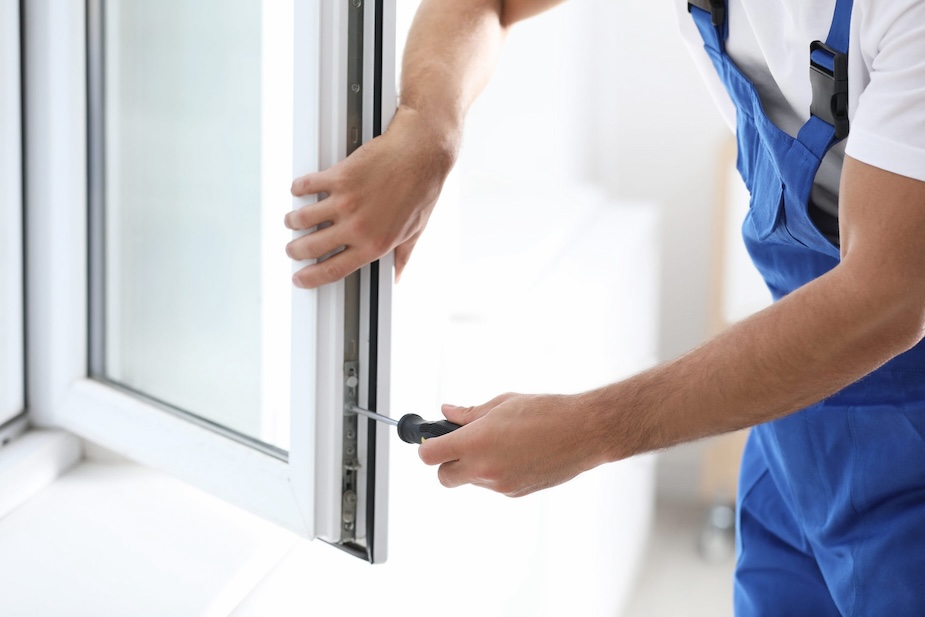
- Align the Window: If the window is misaligned, change the frame or sash to guarantee appropriate positioning.
- Tighten Up Loose Screws: Check and tighten up any loose screws in the lock system.
Replacement:
- Identify the Issue: If the lock is seriously harmed or used out, it might require to be replaced.
- Pick a Compatible Replacement: Ensure that the replacement lock works with your window type and size.
- Install the New Lock: Follow the producer's guidelines for installation.
Preventive Maintenance
Regular maintenance can help avoid window lock concerns and extend the life of your locks. Here are some suggestions:
- Clean the Lock Regularly: Use a soft fabric to clean the lock and surrounding areas.
- Lubricate the Mechanism: Apply a silicone-based lubricant to the lock mechanism every few months.
- Inspect for Wear and Tear: Inspect the lock and window routinely for indications of damage or wear.
- Change as Needed: Make minor adjustments to the window positioning and lock system to guarantee proper operation.
- Safeguard from the Elements: Use weatherproofing products to secure the lock from moisture and corrosion.
FAQs
Q: How frequently should I oil my window locks?A: It is suggested to lubricate window locks every 3 to six months, depending on use and ecological conditions.
Q: Can I utilize WD-40 to oil my window locks?A: While WD-40 can be used in a pinch, it is not the very best option for long-term lubrication. Silicone-based lubricants are more reliable and longer-lasting.
Q: What should I do if my window lock is stuck?A: Try using a lube to the lock mechanism and carefully working the lock backward and forward. If this does not fix the problem, consult a professional.
Q: Can I replace a window lock myself?A: Yes, with the right tools and instructions, you can replace a window lock yourself. However, if you are not sure or the lock becomes part of a complicated system, it is best to look for expert assistance.
Q: How do I understand if my window lock needs to be replaced?A: If the lock is severely damaged, used out, or no longer provides a secure hold, it is time to replace it.
Window locks are vital for the security and functionality of your home. By understanding common issues, following a systematic diagnosis procedure, and performing routine maintenance, you can make sure that your window locks operate efficiently and efficiently. Whether you are a property owner or a professional, this guide provides valuable insights into window lock diagnosis and care.
By taking proactive steps, you can delight in the advantages of safe, well-functioning windows for several years to come.